The Rise of Custom Plastic Injection Molding Companies in Modern Manufacturing
Understanding Plastic Injection Molding
What is Plastic Injection Molding?
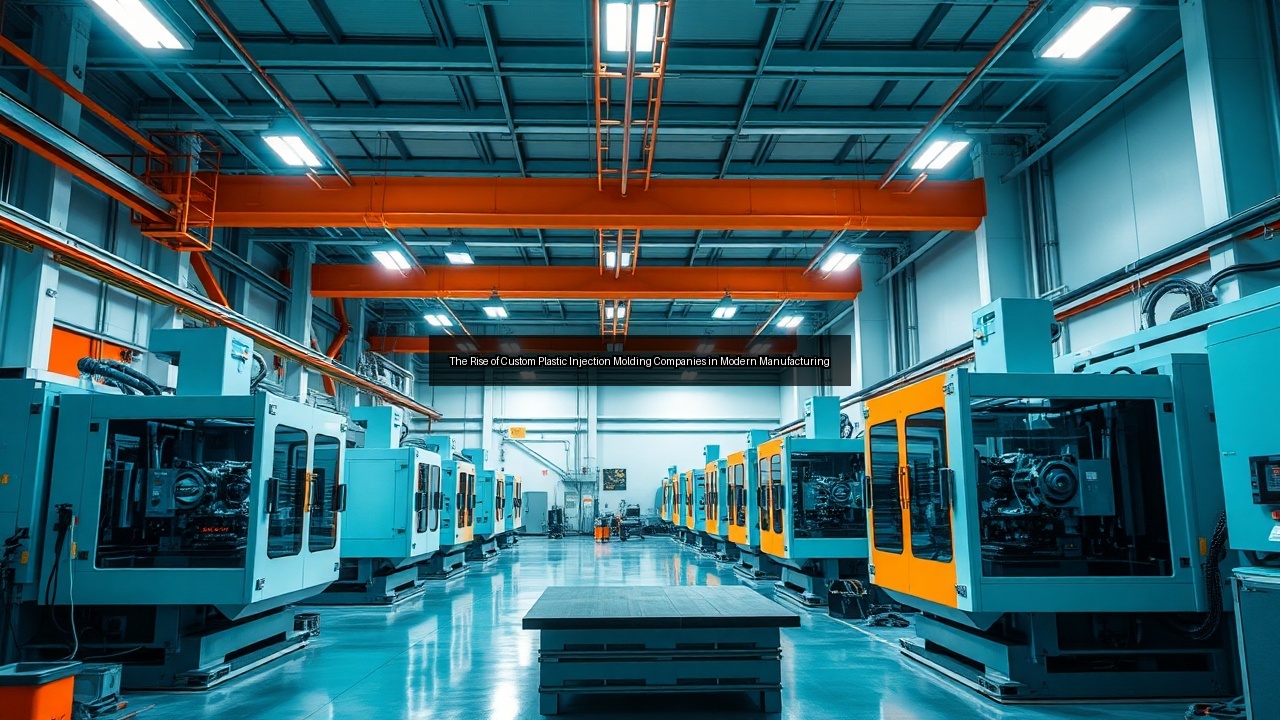
Plastic injection molding produces precise components by forcing molten plastic into a custom mold under high pressure. This method delivers consistent parts for industries ranging from automotive to medical devices. A plastic injection molding manufacturer designs and maintains the mold to match exact specifications, which reduces waste and speeds production cycles. Companies rely on this process because it handles complex geometries that machining or other methods cannot achieve efficiently. Custom plastic injection molding companies excel at scaling from prototypes to high-volume runs while maintaining tight tolerances.
The technique supports a wide range of thermoplastics and elastomers, allowing engineers to select materials based on strength, flexibility, or chemical resistance. Manufacturers often combine injection molding with secondary operations like assembly or finishing to deliver complete products. This versatility explains why businesses search for a capable plastic injection molding manufacturer when they need repeatable quality at competitive costs.
The Injection Molding Process Explained
The injection molding process begins with material preparation, where plastic pellets enter a heated barrel and melt into a viscous state. A screw then injects the molten plastic into a closed mold cavity at controlled speed and pressure. Cooling channels solidify the part before ejection, and the cycle repeats. Each stage demands precision to avoid defects such as sink marks or flash. Experienced plastic injection molding manufacturers monitor temperatures, pressures, and cycle times with sensors to maintain output quality.
Operators fine-tune parameters for different resins, ensuring the final parts meet dimensional and aesthetic standards. The process supports rapid iteration because mold modifications allow quick design changes. This efficiency attracts manufacturers seeking reliable plastic injection molding services that deliver parts faster than traditional fabrication routes.
Types of Injection Molding: A Brief Overview
Standard single-shot injection molding creates parts from one material in a single cycle. Two-shot injection molding adds a second material over or beside the first within the same machine, enabling soft-touch grips or multi-color components without assembly. Overmolding and insert molding expand options further by bonding plastic to metal or other substrates. Plastic injection molding companies choose the right variant based on part function and production volume.
Each type requires specialized tooling and expertise. Manufacturers that master multiple methods provide greater flexibility to clients. When evaluating plastic injection molding manufacturers, buyers examine available equipment to confirm the facility can handle both basic and advanced techniques like two-shot injection molding.
The Growth of Custom Plastic Injection Molding Companies
Market Trends in Plastic Injection Molding
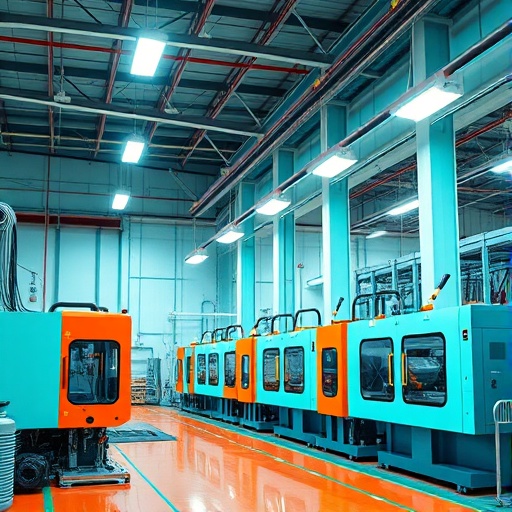
Demand for lightweight, durable components drives growth across consumer electronics, packaging, and transportation sectors. Custom plastic injection molding companies respond by expanding capacity and adopting faster tooling methods. Supply chain reshoring has prompted many firms to seek domestic plastic injection molding manufacturers that offer shorter lead times and better communication. Market data shows steady increases in orders for precision parts that replace metal assemblies.
Competition among plastic injection molding companies centers on speed, cost control, and material innovation. Firms that invest in advanced presses and quality systems win larger contracts. Buyers searching for the best plastic injection molding manufacturer now prioritize vendors with proven track records in high-mix, low-volume production as well as mass output.
Key Players in the Industry: A Focus on Nicolet Plastics
Nicolet Plastics stands out among plastic injection molding manufacturers for its focus on complex, tight-tolerance projects. The company combines engineering support with in-house tooling capabilities, which shortens development timelines. Clients in medical and industrial markets value Nicolet Plastics for consistent delivery of injection-molded parts that meet rigorous validation standards. Its team collaborates early in design to optimize part geometry for molding success.
Nicolet Plastics also emphasizes material selection guidance, helping customers balance performance and cost. This consultative approach differentiates it from commodity-focused plastic injection molding companies. Manufacturers seeking a reliable plastic injection molding supplier often review case studies from Nicolet Plastics to gauge fit for their own programs.
Benefits of Custom Plastic Injection Molding Services
Custom plastic injection molding services reduce per-part costs at scale while preserving design freedom. Parts emerge with finished surfaces that require minimal secondary work. The process supports intricate features such as threads, living hinges, and undercuts that would demand multiple operations in sheet metal fabrication. Plastic injection molding manufacturers achieve repeatability across thousands of cycles once the mold is qualified.
Lead times compress when a single vendor manages tooling, molding, and assembly. Clients gain supply chain simplicity and lower inventory needs through just-in-time production. These advantages explain continued preference for custom plastic injection molding companies over alternative manufacturing routes in many applications.
Technological Innovations in Injection Molding
Advancements in Two-Shot Injection Molding
Two-shot injection molding now incorporates faster rotary tables and improved material compatibility systems that bond dissimilar plastics reliably. Modern machines handle engineering resins and soft-touch elastomers in one cycle, eliminating adhesives or fasteners. Plastic injection molding manufacturers use these capabilities to create ergonomic tools, sealed housings, and multi-function components. Cycle times have dropped significantly, boosting throughput for high-volume programs.
Process monitoring software tracks bond strength and dimensional stability in real time. This data allows immediate adjustments that maintain quality. Companies offering two-shot injection molding report higher customer retention because the method reduces assembly steps and improves product durability.
The Role of Automation in Modern Manufacturing
Automation integrates robots for part removal, inspection, and packaging directly at the press. This reduces labor variability and enables lights-out production. Plastic injection molding manufacturers deploy collaborative robots that handle delicate parts without damage. Vision systems verify dimensions and surface quality before parts reach bins, cutting scrap rates.
Automated material handling systems feed dryers and loaders with minimal operator intervention. These investments allow custom plastic injection molding companies to remain competitive on price while meeting strict delivery windows. Buyers evaluating plastic injection molding services often request tours to observe automation levels firsthand.
Sustainability in Plastics Injection Molding
Plastics injection molding operations increasingly incorporate recycled resins and closed-loop regrind systems that reuse sprues and runners. Energy-efficient servo presses lower electricity consumption per cycle. Manufacturers explore bio-based polymers that maintain performance while reducing fossil fuel dependence. Leading plastic injection molding manufacturers publish sustainability metrics to meet customer environmental requirements.
Design for recyclability guidance helps clients create parts that disassemble easily at end of life. These practices align production with regulatory trends and brand values. Companies that adopt sustainable methods strengthen their position when clients search for responsible plastic injection molding suppliers.
Choosing the Right Plastic Injection Molding Manufacturer
Criteria for Selecting a Plastic Injection Molding Company
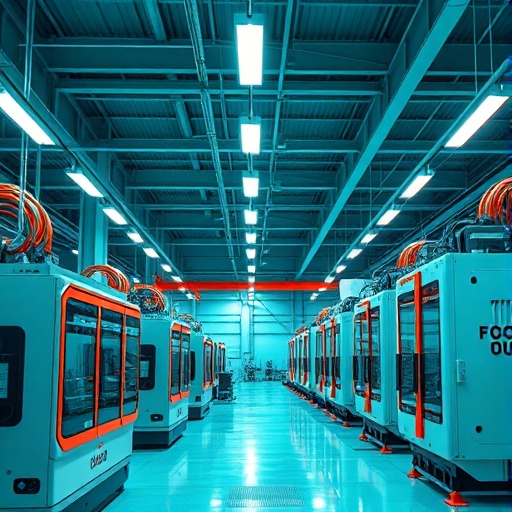
Selection begins with an audit of press tonnage range, cleanroom availability, and quality certifications. A capable plastic injection molding manufacturer maintains ISO systems and provides full process validation documentation. Experience with the target resin and part complexity ranks high on evaluation checklists. References from similar industries offer proof of consistent performance.
Tooling lead times and modification policies also influence decisions. Buyers compare total landed costs rather than unit price alone. Firms that offer design for manufacturability reviews often deliver better outcomes and fewer tooling revisions.
The Importance of Supplier Relationships
Strong supplier relationships foster open communication during design changes and material shortages. Plastic injection molding manufacturers that assign dedicated engineers build trust through regular updates and proactive problem solving. Long-term partnerships enable volume commitments that stabilize pricing and capacity access. Customers benefit when suppliers understand evolving product roadmaps.
Transparent quoting and clear escalation paths reduce friction. Companies that treat their plastic injection molding supplier as an extension of their own team report smoother launches and fewer quality issues over time.
Evaluating Injection Molding Services and Capabilities
Capability assessments review mold design software, metrology equipment, and secondary operations such as pad printing or ultrasonic welding. A thorough plastic injection molding manufacturer demonstrates mastery across the full value stream. Trial runs validate cycle times and part quality before full production begins. Documentation of process parameters ensures reproducibility across shifts.
Site visits reveal equipment condition and workforce skill levels. Buyers cross-reference capabilities against project needs rather than selecting solely on price. This disciplined approach identifies the plastic injection molding company best positioned for success.
Future Prospects of Plastic Injection Molding
Emerging Trends in Manufacturing
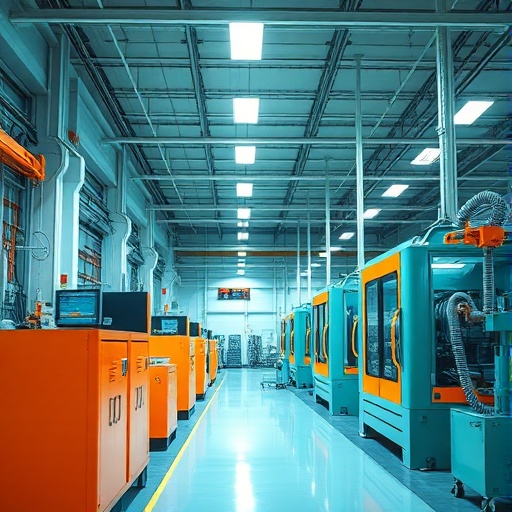
Digital twin technology and predictive maintenance now appear on more shop floors, allowing plastic injection molding manufacturers to anticipate issues before they affect output. Additive manufacturing produces conformal cooling inserts that shorten cycle times. Hybrid processes combine injection molding with sheet metal components to create structural assemblies that leverage both material strengths.
These innovations expand addressable markets. Custom plastic injection molding companies that adopt digital tools gain visibility into production data that supports continuous improvement and faster quoting.
Challenges Facing Plastic Injection Molding Companies
Material price volatility and skilled labor shortages pressure margins. Plastic injection molding manufacturers must navigate regulatory changes on chemical substances while maintaining competitive delivery. Global competition intensifies as overseas facilities improve quality. Companies respond by investing in training programs and diversified supplier bases for resins.
Balancing capital expenditures for new equipment with customer demands for lower prices requires careful planning. Firms that communicate these pressures openly maintain stronger client partnerships.
The Future of Plastics and Environmental Considerations
Extended producer responsibility laws will push plastic injection molding manufacturers toward greater use of recycled content and design-for-recycling principles. Research into chemical recycling and advanced sorting promises higher-quality recycled feedstocks. Manufacturers that lead in these areas position themselves for long-term contracts with sustainability-focused brands.
Continued material science advances will deliver higher-performance bioplastics suitable for demanding applications. Plastic injection molding companies that stay current with these developments will capture growth in both traditional and emerging markets.
See Also
- Exploring the Benefits of Partnering with a Leading Plastic Injection Molding Supplier
- Maximizing Efficiency in Plastic Injection Molding for Competitive Advantage
- A Deep Dive into the Injection Molding Process for Quality Production
- Choosing the Right Plastic Injection Molding Manufacturer for Your Needs