Navigating the Challenges of Workholding in Additive Manufacturing
Understanding Workholding Fixtures in Additive Manufacturing
The Role of Workholding Fixtures in CNC Machining
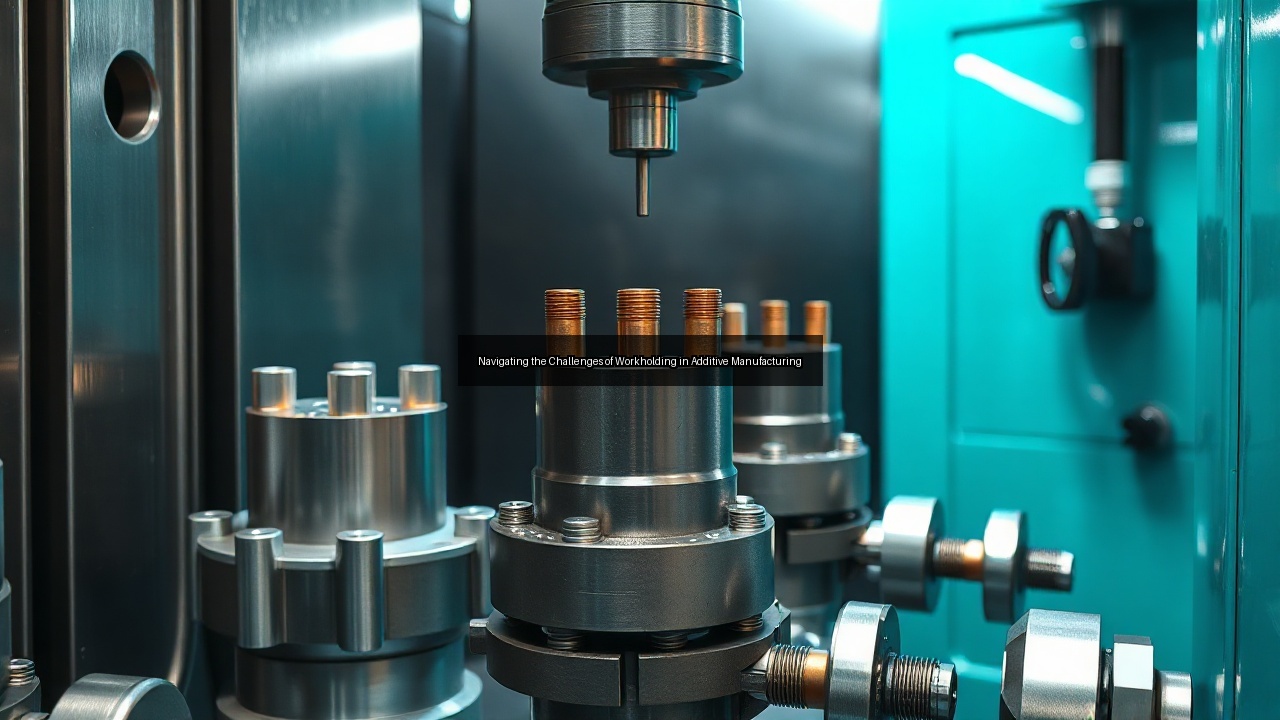
Workholding fixtures play a crucial role in CNC machining, serving as the backbone for precision and efficiency. These fixtures secure components in place during the milling, drilling, and fabrication processes, ensuring that each operation occurs without deviation. In additive manufacturing, specifically, workholding fixtures help maintain the integrity of parts as they are built layer by layer. Without effective workholding, the risk of errors increases, potentially leading to costly reworks or scrapped materials. Designers must prioritize the stability and accessibility of these fixtures to enhance overall machining accuracy, especially when dealing with complex geometries typical in aerospace applications.
Types of Workholding Solutions for FDM and SLS
Different additive manufacturing techniques, such as Fused Deposition Modeling (FDM) and Selective Laser Sintering (SLS), require tailored workholding solutions. FDM relies on a heated nozzle to extrude thermoplastic materials, making it essential for fixtures to withstand varying temperatures and provide consistent support throughout the build. Fixtures designed for FDM often feature adjustable settings to accommodate diverse part sizes and shapes. On the other hand, SLS uses a laser to fuse powdered materials, necessitating fixtures that can handle fine powders and offer precise positioning to avoid part deformation. Both approaches benefit from innovative workholding tools that enhance production speed while maintaining quality, ultimately improving the workflow in additive manufacturing environments.
Challenges in Designing Effective Workholding Tools
Designing effective workholding tools presents several challenges. First, engineers must consider the complexity of the parts being manufactured. Intricate designs require fixtures that not only secure the workpiece but also allow for easy accessibility during the CNC machining process. Furthermore, the materials used in workholding fixtures must withstand various forces and thermal conditions without compromising performance. Another challenge lies in achieving the right balance between rigidity and flexibility. Fixtures need to hold parts firmly in place while accommodating slight variations in the production process. Addressing these challenges demands a deep understanding of both the machining process and the materials involved, making collaboration between designers and machinists essential for success.
Innovations in Workholding Technologies
Automation in Workholding: Enhancing Workflow and Accuracy
Automation in workholding represents a significant advancement in the manufacturing sector, particularly in enhancing workflow and accuracy. Automated workholding systems can adjust to various part sizes and shapes without manual intervention, streamlining the machining process. By integrating sensors and feedback loops, these systems ensure that fixtures maintain the correct position and alignment throughout production. This level of automation reduces human error, increases throughput, and allows machinists to focus on more complex tasks. As production demands grow, automated workholding solutions become indispensable for maintaining efficiency and consistency across CNC machine tools. The incorporation of smart technology in workholding fixtures sets a new standard for precision manufacturing.
Hydraulic vs. Vacuum Workholding Systems: Pros and Cons
Choosing between hydraulic and vacuum workholding systems involves evaluating their unique advantages and limitations. Hydraulic systems offer powerful clamping forces, making them ideal for securing heavy or complex parts during machining. They provide a stable hold, which is essential in high-precision applications. However, hydraulic systems require maintenance and are susceptible to leaks, which can affect performance. On the other hand, vacuum workholding systems utilize suction to hold lightweight materials in place. They excel in applications requiring minimal contact with the workpiece, reducing the risk of damage. Vacuum systems are often easier to set up and adjust, but they may not provide sufficient holding power for heavy components. Understanding these pros and cons helps manufacturers select the right workholding solution for their specific needs.
The Impact of Speed and Force on Fixture Performance
The interaction of speed and force significantly impacts the performance of workholding fixtures. High-speed machining requires fixtures that can withstand rapid changes in force without allowing the workpiece to shift or vibrate. Engineers must design fixtures that absorb these dynamic forces while maintaining stability. Conversely, lower-speed operations might focus more on the precision of the fixture's positioning to ensure accuracy. The material choice for fixtures also plays a critical role in managing these forces. For instance, using materials with high tensile strength can minimize deformation under load, promoting consistent machining results. By optimizing the relationship between speed and force, manufacturers can enhance the performance and longevity of their workholding tools.
Cost Considerations and Pricing Strategies
Evaluating the Cost of Workholding Fixtures for Aerospace Applications
Cost evaluation of workholding fixtures in aerospace applications requires a comprehensive approach. Aerospace components demand high precision and reliability, leading to increased fixture costs. Manufacturers must weigh the initial investment against the potential for increased efficiency and reduced waste. Selecting materials that withstand the rigorous demands of aerospace machining can elevate costs but ensures durability and longevity. Additionally, the complexity of fixtures designed for intricate aerospace parts may further impact pricing. However, investing in high-quality workholding solutions often results in significant long-term savings by minimizing errors and enhancing productivity. A thorough cost-benefit analysis can guide businesses in making informed decisions about their workholding investments.
Budgeting for Tooling and Fixture Design in Metal Working
Effective budgeting for tooling and fixture design in metalworking involves strategic planning and foresight. Manufacturers should assess their production volume and the complexity of parts to determine appropriate budgets for workholding fixtures. Initial costs for high-quality fixtures can be substantial, but they should be viewed through the lens of their potential return on investment. A well-designed fixture can drastically reduce cycle times, improve accuracy, and minimize scrap rates, leading to long-term cost savings. Additionally, incorporating flexible workholding solutions that adapt to various projects can maximize the utility of the initial investment. Businesses must carefully evaluate their requirements to develop a sustainable budget that aligns with their operational goals.
Return on Investment: Balancing Price with Efficiency
Achieving a favorable return on investment (ROI) in workholding fixtures requires balancing price with efficiency. While it may be tempting to opt for lower-cost fixtures, they often lack the precision and durability needed for high-quality machining. Investing in premium workholding solutions may present a higher upfront cost but can lead to significant savings in the long run. Efficient fixtures enhance workflow, reduce the likelihood of part failures, and contribute to faster production cycles. Manufacturers should consider the total cost of ownership, including maintenance, replacement, and downtime, when evaluating fixture pricing. A strategic approach to selecting workholding fixtures facilitates improved performance and increased profitability over time.
Future Trends in Workholding for Additive Manufacturing
Emerging Technologies in Workholding Fixtures
Emerging technologies are reshaping workholding fixtures in additive manufacturing, leading to innovative solutions that enhance productivity. Developments in 3D printing allow for the creation of custom fixtures tailored to specific parts, improving fit and stability. These bespoke fixtures can be designed with integrated features that streamline the manufacturing process, such as built-in cooling channels or adjustable clamping mechanisms. Additionally, advancements in materials science enable the creation of lightweight yet strong fixtures that reduce machine load and increase efficiency. As manufacturers adopt these emerging technologies, the capabilities of workholding fixtures continue to expand, driving further innovation in the industry.
Sustainable Practices in Fixture Design and Fabrication
Sustainability is becoming an integral consideration in the design and fabrication of workholding fixtures. Manufacturers increasingly prioritize eco-friendly materials and processes that reduce waste and energy consumption. Utilizing recycled materials for fixture production not only lowers environmental impact but also contributes to cost savings. Moreover, implementing designs that minimize material usage while maintaining strength and durability can enhance sustainability efforts. As companies strive to meet environmental regulations and consumer expectations, adopting sustainable practices in workholding fixture design represents a significant opportunity for innovation and market differentiation.
The Future of Jigs and Fixtures in Advanced Manufacturing
The future of jigs and fixtures in advanced manufacturing looks promising, driven by the need for greater efficiency and adaptability. As manufacturing processes evolve, so do the requirements for workholding solutions. The rise of collaborative robotics and automation necessitates fixtures that can accommodate rapid changes in production demands. Furthermore, the integration of artificial intelligence in fixture design allows for predictive maintenance, optimizing performance and reducing downtime. As manufacturers embrace these advancements, the evolution of workholding fixtures will continue to play a critical role in enhancing productivity and precision across various sectors, including aerospace and beyond.
See Also
- The Hidden Costs of Poor Workholding Fixtures in Production Lines
- Maximizing Accuracy and Efficiency in Metal Working through Advanced Fixture Design
- A Beginner's Guide to Workholding Fixtures and Their Applications
- Exploring the Future of Workholding Tools in High-Speed Fabrication Processes
- The Future of Automation in Workholding Fixtures for Metalworking