Exploring the Advantages of Swiss Lathe Techniques in Modern Machining
Understanding Swiss Lathe Techniques
What is Swiss Turning?
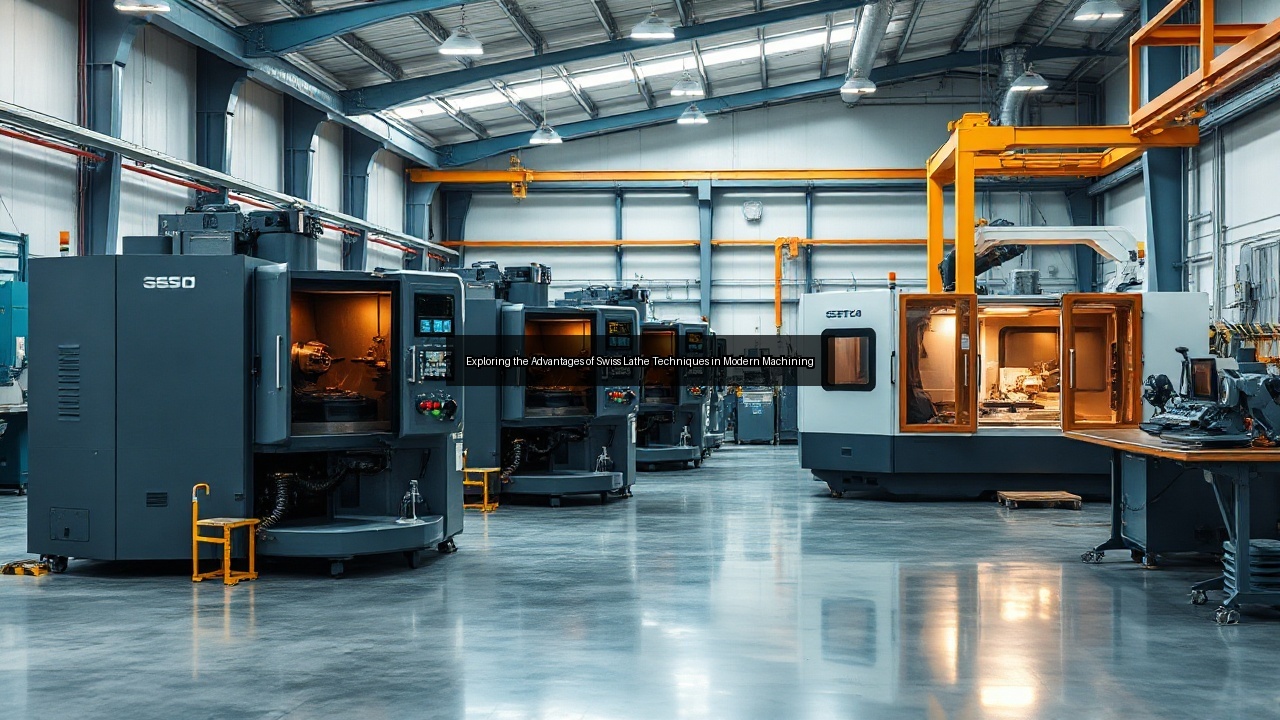
Swiss turning delivers unmatched precision through specialized swiss lathe machines that support the workpiece close to the cutting tool. This setup minimizes deflection and achieves tight tolerances during cnc turning service operations on small-diameter parts. Manufacturers rely on swiss turning services for components that demand accuracy in industries such as medical devices, aerospace, and electronics. The process integrates cnc control to execute complex profiles, threading, and milling in a single setup, reducing handling and errors. Materials like steel, copper, plastic, acetal, and ptfe flow through these machines efficiently, allowing consistent results across production runs. Operators program the lathes to maintain stability while performing simultaneous operations, which boosts overall machining productivity. Swiss turning stands apart from conventional cnc turning because the guide bushing provides continuous support, enabling longer parts without vibration. Companies that invest in these techniques gain reliable output for intricate designs that standard mills cannot match.
Historical Development of Swiss Lathes
Swiss lathes originated in the watchmaking industry of Switzerland during the late 19th century to produce tiny, precise components. Early models used mechanical controls and focused on high-volume production of watch parts with exceptional repeatability. Over decades, engineers refined the guide bushing concept and introduced automatic feed systems that improved efficiency. By the mid-20th century, swiss lathe technology expanded into broader manufacturing sectors that required similar precision. The shift to cnc integration in the 1980s transformed these machines into versatile platforms capable of cnc milling, threading, and complex contouring. Modern iterations handle metal, plastic, copper, and advanced polymers with equal reliability. This evolution allowed shops to combine swiss turning services with other processes like cnc routing for complete part fabrication. Today the machines incorporate live tooling and multi-axis capabilities that support rapid design changes and high-mix production demands.
Benefits of Swiss Turning Services
Precision and Tolerances in Manufacturing
Swiss turning services excel at holding tolerances within microns, a level that supports critical applications where even minor deviations cause failures. The guide bushing stabilizes the material right at the cut point, so operators achieve consistent diameters and surface integrity across long runs. This precision extends to features such as threads, grooves, and cross holes produced during cnc turning service cycles. Manufacturers working with steel, copper, and plastic count on these capabilities to meet strict specifications without secondary operations. Advanced cnc controls monitor tool wear and adjust parameters in real time, maintaining accuracy throughout the batch. Companies like Hogge Precision and McCormick Industries demonstrate how swiss lathe techniques deliver parts that satisfy demanding quality standards in medical and defense sectors. The result is fewer rejects and faster validation, which accelerates time to market for new designs.
Efficiency in Material Utilization
Swiss turning services optimize material use by machining parts directly from bar stock with minimal waste. The close support of the guide bushing allows deeper cuts and faster feeds without compromising finish, so shops extract more components per length of metal, copper, or plastic. Reduced setup time from integrated cnc milling and turning operations further improves throughput. Manufacturers avoid the excess stock removal common in traditional machining, which lowers costs and shortens lead times. Efficient chip evacuation systems keep the workspace clean and prevent tool damage during continuous runs. This approach proves especially valuable when working with expensive alloys or engineering plastics like acetal and ptfe. Overall, the technique supports lean manufacturing goals while delivering high volumes of precision components that meet exact design requirements.
Versatility with Various Materials (Metal, Plastic, Copper)
Swiss turning services handle an extensive range of materials including steel, copper, aluminum, plastic, acetal, and ptfe without major retooling. The machines maintain stability across different hardness levels and thermal properties, producing clean threads and fine features on each. Operators adjust speeds and feeds through cnc interfaces to match the unique characteristics of each stock type. This flexibility allows one swiss lathe to switch between medical-grade metals and high-performance polymers in the same shift. Manufacturers gain the ability to prototype in plastic before committing to metal production runs. The consistent performance across material families reduces the need for multiple specialized machines and streamlines workflow. Shops that master these capabilities expand their service offerings and respond quickly to varied customer demands in cnc machining markets.
Swiss Lathe Machines: Features and Capabilities
CNC Integration in Swiss Lathes
Modern swiss lathe machines incorporate full cnc control that programs every axis and tool path with precision. This integration enables simultaneous cnc turning service and cnc milling operations that complete complex parts in one cycle. Operators load bar stock and let the machine handle roughing, finishing, threading, and drilling without interruption. The software supports rapid design iterations and stores proven programs for repeat orders. Shops combine swiss turning services with cnc routing for secondary features when needed. Real-time monitoring tracks spindle loads and tool life, preventing unexpected downtime. The result is higher utilization rates and reliable output for high-precision components across metal, plastic, and copper applications.
Advanced Tooling for Complex Designs
Swiss lathes accept live tooling stations that perform milling, drilling, and threading at multiple angles during the primary turning cycle. These capabilities allow intricate geometries that traditional lathes cannot produce without additional setups. Tool changers and preset holders speed transitions between operations and maintain alignment. Manufacturers program the cnc system to optimize tool paths for each material, whether steel, acetal, or ptfe. The combination of fixed and driven tools expands design freedom while preserving tight tolerances. Companies that deploy these features reduce part handling and improve overall quality in precision machining services.
Surface Finishing Techniques
Swiss turning services achieve superior surface finishes directly from the machine through optimized speeds, feeds, and tool geometry. Operators select inserts and parameters that produce mirror-like results on metal and plastic without extra polishing. When required, integrated burnishing or roller tools refine surfaces further during the same cycle. Consistent finishes reduce secondary processing and meet strict cosmetic and functional standards. This capability proves valuable for components that contact seals or require low friction in assemblies. Shops document parameters for each material to replicate finishes reliably across production lots.
Quality Assurance in Swiss Machining
ISO Standards in Precision Machining
ISO certification guides quality assurance practices in swiss turning services by establishing documented processes for every stage of manufacturing. Facilities maintain calibration records, process controls, and traceability that verify each part meets specified tolerances. Regular audits confirm compliance and drive continuous improvement in cnc machining operations. These standards apply equally to steel, copper, plastic, and ptfe components, ensuring consistent performance regardless of material. Manufacturers reference ISO requirements when validating new designs and equipment. The framework supports reliable delivery of precision parts that satisfy regulatory demands in medical and aerospace sectors.
Quality Control Practices at Companies like Hogge Precision Parts and McCormick Industries
Hogge Precision Parts and McCormick Industries implement rigorous inspection protocols that include in-process checks and final verification with coordinate measuring machines. Technicians monitor critical dimensions during swiss turning service runs and adjust offsets immediately when deviations appear. Statistical process control tracks variation across batches and identifies opportunities for refinement. Both companies maintain detailed records that link each part to its production parameters and material certifications. This disciplined approach minimizes scrap and supports customer confidence in the delivered components. Their focus on quality assurance extends to surface finishing and threading accuracy, reinforcing their reputation in competitive precision machining markets.
Future Trends in Swiss Turning and CNC Machining
The Role of 3D Printing in Manufacturing
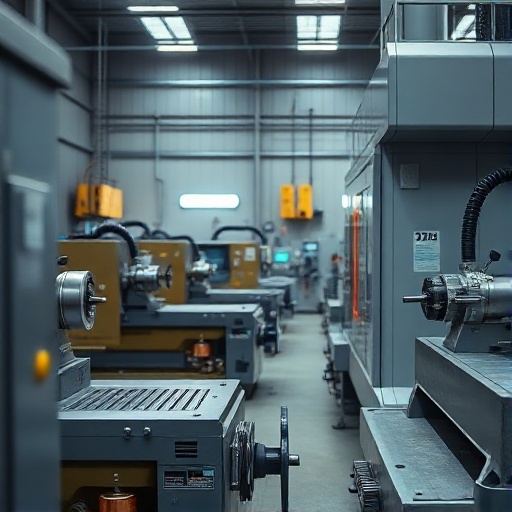
3D printing complements swiss turning services by enabling rapid production of fixtures, prototypes, and low-volume tooling. Manufacturers print custom guide bushings or tool holders that accelerate setup for new designs on swiss lathe machines. Hybrid workflows combine additive methods with cnc turning service for parts that require both complex internal features and precision external surfaces. This integration reduces lead times and material waste while expanding design possibilities. Shops explore metal 3D printing for near-net shapes that require only final swiss machining, improving efficiency on high-value alloys. The synergy between these technologies continues to reshape how companies approach precision component fabrication.
Emerging Technologies in CNC Routing and Turning Services
Emerging advancements in cnc routing and turning services include enhanced sensors, artificial intelligence for tool path optimization, and expanded multi-axis capabilities on swiss lathes. These developments allow real-time compensation for thermal growth and tool wear during extended runs on metal, plastic, and copper. Manufacturers integrate data analytics to predict maintenance needs and maintain peak performance. The combination of swiss turning services with advanced cnc milling creates fully automated cells that handle complete part production. Continued progress in these areas promises even tighter tolerances and faster cycle times for the next generation of precision components.
See Also
- From Plastic to Metal Discover the Versatility of Swiss Turning Services
- The Role of Swiss Turning in Achieving Tight Tolerances for CNC Projects
- Unlocking Precision with Swiss Turning Services for High-Quality Manufacturing
- Quality Assurance in Swiss Turning How to Ensure Optimal Results in CNC Machining