A Beginner’s Guide to Ductwork Fabrication Calculations and Measurements
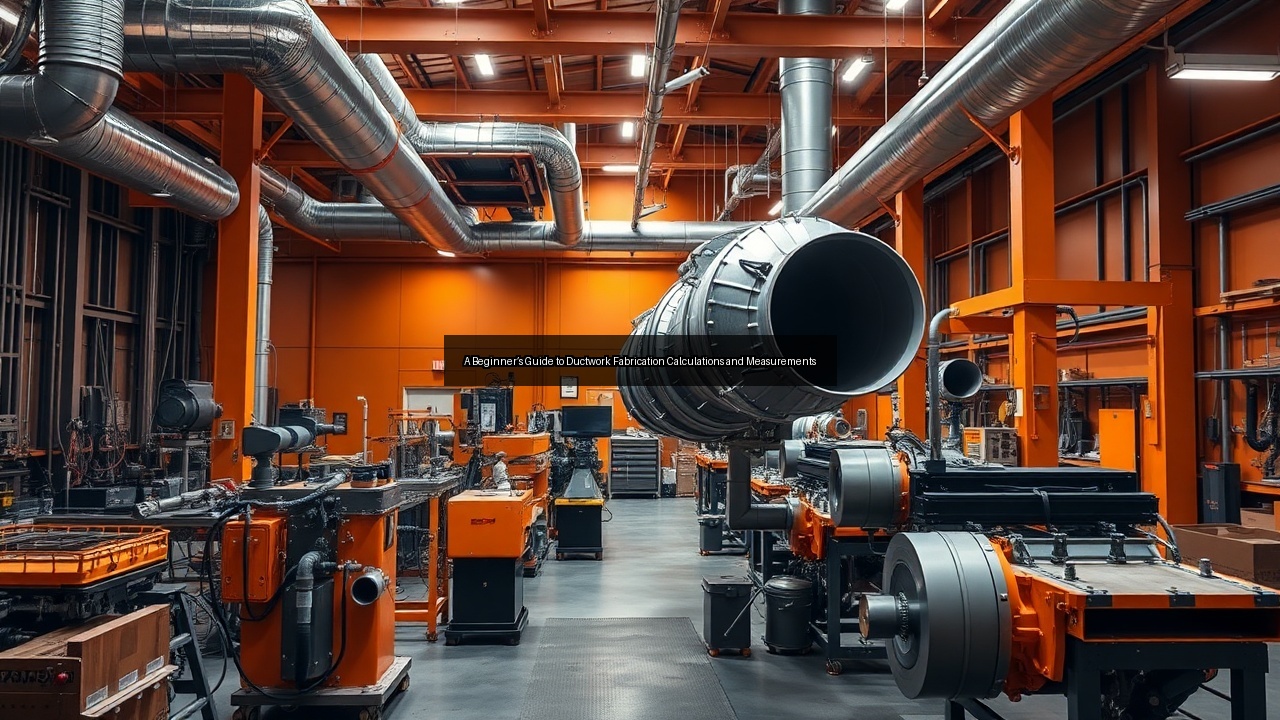
Understanding Ductwork Fabrication
Overview of Ductwork and Its Importance
Ductwork fabrication forms the backbone of every effective HVAC installation. Fabricators cut, shape, and assemble metal sheets into air ducts that transport conditioned air throughout buildings. Proper ductwork ensures even temperatures, reduces energy waste, and maintains indoor air quality. When measurements fall short or joints leak, systems lose efficiency and operating costs rise quickly. Professionals rely on precise calculations from the start to match duct runs to building layouts. This process supports both residential upgrades and large commercial projects where airflow demands vary by zone. Accurate fabrication also simplifies future maintenance because well-fitted sections require fewer adjustments during service calls. Builders and contractors turn to ductwork fabrication specialists when they need reliable performance that meets code requirements and client expectations.
Types of Ducts in HVAC Systems
HVAC systems use several duct types to match different installation conditions. Rectangular ducts fit neatly into tight ceiling spaces and carry large air volumes in commercial buildings. Round ducts reduce friction loss and move air more efficiently in longer runs. Oval ducts combine space-saving benefits with improved airflow characteristics. Flexible ducts connect rigid sections to vents when straight paths prove impossible. Each type demands specific fabrication techniques and measurement methods. Sheet metal remains the standard material because it withstands pressure and temperature changes. Fabricators select duct styles after reviewing blueprints and airflow needs. Choosing the correct duct type early prevents costly field modifications and keeps projects on schedule.
Basic Components of Ductwork Systems
Every ductwork system includes straight sections, elbows, transitions, and fittings that direct air movement. Straight runs transport air between equipment and outlets. Elbows change direction while minimizing turbulence when fabricated with the proper radius. Reducers and transitions adjust duct size to match equipment connections or branch lines. Dampers control volume and balance airflow across zones. Registers and grilles finish the system at the room level. Accurate measurements of each component ensure pieces align during installation. Fabricators calculate developed lengths and seam allowances before cutting material. These basic elements work together to deliver consistent performance when calculations account for pressure drops and velocity limits.
Essential Measurements for Ductwork Fabrication
Understanding Duct Length Calculations
Duct length calculations start with accurate field measurements from plans or site visits. Fabricators measure center-line distances and add allowances for fittings and connections. Each elbow or transition adds extra length that must appear in the cut list. Professionals subtract overlap at joints to avoid excess material. They also include space for dampers and access doors required by code. Proper length calculations prevent shortages that delay installation and reduce waste that inflates material costs. Software tools help convert three-dimensional routes into flat patterns ready for cutting. When lengths match the actual duct path, installers spend less time trimming pieces on site. This attention to detail supports smooth project timelines and reliable system performance.
Calculating Duct Width and Height
Width and height dimensions determine how much air a duct can carry without excessive noise or pressure loss. Fabricators calculate these sizes using airflow requirements and velocity guidelines. Wider ducts handle greater volumes but occupy more ceiling space. Taller ducts fit better in narrow chases yet may increase friction. Standard practice keeps aspect ratios below 4:1 to maintain structural strength. Measurements must include insulation thickness when ducts travel through unconditioned areas. Precise width and height calculations ensure branches receive the correct air quantity. Fabricators verify dimensions against equipment specifications before releasing material to the shop floor. Accurate sizing reduces the need for later modifications and keeps systems within design parameters.
Determining Airflow Requirements
Airflow calculations guide every measurement decision in ductwork fabrication. Engineers establish cubic feet per minute values for each zone based on heating and cooling loads. Fabricators convert these numbers into duct sizes using friction rate charts or duct calculators. Higher airflow demands larger cross-sections or higher velocities that affect noise levels. Supply and return paths require separate calculations to maintain proper building pressure. External factors such as altitude and duct material roughness also influence final dimensions. Accurate airflow data prevents undersized ducts that starve rooms of conditioned air. It also avoids oversized runs that waste energy and space. Proper determination of these requirements creates balanced systems that operate quietly and efficiently.
The Fabrication Process of Ducts
Materials Used in Duct Fabrication
Galvanized steel dominates ductwork fabrication because it resists corrosion and forms cleanly. Fabricators also use aluminum for lightweight applications and stainless steel in corrosive environments. Insulation materials wrap ducts to control condensation and reduce heat transfer. Sealants and tapes close seams to limit leakage. Fasteners such as screws and rivets hold assemblies together during and after installation. Material thickness varies with duct size and static pressure class. Thicker gauges handle higher pressures without deformation. Selecting the right materials at the planning stage prevents performance issues and extends system life. Quality suppliers provide consistent stock that meets fabrication tolerances every time.
Steps in the Duct Fabrication Process
The fabrication process begins with detailed shop drawings derived from field measurements. Workers cut flat sheets on plasma tables or shears according to developed patterns. They then bend edges to create lock seams or prepare welded joints. Rollers form round and oval ducts while brakes create rectangular shapes. Assemblers connect sections with connectors or welded seams and attach reinforcements where required. Final steps include sealing joints and applying labels for installation crews. Each stage relies on accurate prior calculations to maintain fit. Modern shops use CNC equipment to speed production while preserving precision. Thorough process control keeps ducts within tolerance and ready for quick field installation.
Quality Control in Duct Manufacturing
Quality control checks begin with incoming material inspection and continue through every fabrication stage. Dimension verification confirms that cut pieces match drawings before bending occurs. Weld and seam inspections catch leaks before ducts leave the shop. Pressure testing on sample assemblies confirms the system will hold design static pressure. Visual checks ensure clean finishes and proper labeling. Documentation tracks each batch so problems can be traced and corrected quickly. Consistent quality control reduces callbacks and protects contractor reputations. Clients receive ducts that install without surprises and perform as specified from day one. This disciplined approach supports long-term satisfaction with the finished HVAC system.
Using Calculators for Ductwork Measurements
Introduction to Ductwork Calculation Tools
Duct calculators and software programs simplify complex measurement tasks for fabricators and designers. These tools accept inputs such as airflow, length, and friction rate then output recommended duct sizes. Online versions allow quick checks during site visits while desktop programs generate full material lists. Many integrate with CAD drawings to reduce manual entry errors. Calculators also account for fitting equivalent lengths that affect total pressure drop. New users learn to interpret results correctly before relying on them for production decisions. The right tool speeds up the planning phase and improves accuracy over manual methods. Fabricators who master these programs deliver competitive bids and consistent quality.
How to Use a Duct Calculator Effectively
Effective calculator use starts with accurate input data collected from blueprints and load calculations. Enter airflow values first, then select the desired friction rate or velocity limit. Review output sizes against available space and adjust aspect ratios as needed. Compare results from different calculation methods to confirm consistency. Save and label each project file for future reference or revisions. Cross-check critical runs with manual charts when results seem unusual. Regular practice builds confidence and reveals shortcuts that save time on repeat projects. Proper use of duct calculators reduces material waste and prevents performance problems caused by incorrect sizing.
Common Mistakes to Avoid in Duct Measurements
Common measurement errors include forgetting fitting allowances and ignoring insulation thickness. Rushing through length calculations often produces shortages that force field splicing. Using the wrong friction rate leads to undersized or oversized ducts that affect comfort and noise. Failing to account for elevation changes in multi-story buildings creates pressure imbalances. Skipping verification steps allows transcription mistakes to reach the shop floor. Avoiding these pitfalls requires double-checking inputs and outputs before releasing work. Experienced fabricators build review steps into their workflow to catch issues early. Careful measurement practices protect project budgets and schedules while delivering reliable ductwork systems.
Choosing Duct Fabrication Services

Evaluating Duct Fabrication Companies
Selecting the right fabrication partner begins with reviewing their experience on similar project types. Ask for references and examine completed work for seam quality and dimensional accuracy. Assess shop capacity to confirm they can meet delivery dates without sacrificing standards. Review their use of modern equipment and software that supports precise calculations. Companies that maintain strong quality control programs deliver fewer field problems. Site visits reveal organization and cleanliness that often reflect overall workmanship. Thorough evaluation protects the project from delays and extra costs caused by poor fabrication practices.
Factors to Consider When Selecting Duct Services
Key selection factors include lead times, material options, and ability to handle custom fittings. Confirm that the provider understands local codes and can supply required documentation. Evaluate communication practices because clear updates prevent misunderstandings during production. Review insurance and warranty terms to protect against defects discovered after installation. Geographic proximity reduces shipping costs and simplifies coordination when changes arise. Companies offering both fabrication and installation services sometimes provide better integration. Weighing these factors carefully leads to partnerships that support smooth project execution and long-term system performance.
Cost Considerations in Ductwork Fabrication
Material prices fluctuate with steel markets, so obtain current quotes before finalizing orders. Labor costs rise with complex fittings and tight tolerances that require extra handling. Shop overhead and equipment investment influence hourly rates charged to customers. Transportation expenses add up when ducts travel long distances or require special rigging. Early involvement of fabricators during design helps identify cost-saving opportunities such as standard sizes and simplified routing. Transparent pricing structures allow accurate budgeting and reduce change-order disputes. Smart cost management starts with accurate measurements and clear communication throughout the fabrication process.
See Also
- Streamlining Your Ductwork Fabrication Workflow for Enhanced Productivity
- Mastering Ductwork Fabrication for Optimal Airflow Efficiency
- Innovative Materials Revolutionizing Duct Fabrication in Modern HVAC Systems
- The Future of Duct Systems and the Role of Advanced Fabrication Methods
- How to Choose the Right Ductwork Fabrication Services for Your Project